The Memory We Didn’t Make
How Guiding teaches us to let go of our stories and make room for the ones girls create

One of the things Guiding has taught me is that we are not just creating activities for girls—we are creating spaces where culture is formed.
As Guiders, we spend countless hours planning experiences. We organize camps, adventures, ceremonies, hikes, paddles, service projects, and challenges. We build schedules, write risk assessments, pack supplies, and imagine the moments that will shape the girls who attend.
We often think we are creating memories.
But anthropology reminds us that humans do not simply receive experiences—we create meaning through them. A ritual, a tradition, or a shared experience becomes powerful not because of what was planned, but because of what a group collectively makes of it.
And this is where Guiding becomes so interesting.
Because sometimes the moments we carefully design are not the moments that become meaningful.
I’ve seen this happen at camp again and again.
A group of Guiders can spend months creating what feels like the perfect weekend: the carefully planned hike, the paddling adventure, the campfire program, the challenges meant to build confidence and connection.
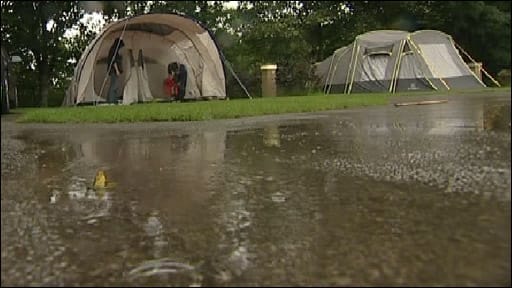
Then the weather arrives.
The rain doesn’t stop.
The trail becomes unsafe.
The water is too rough.
The program has to change.
Sometimes the decision is made that everyone needs to shelter in place for safety. From the perspective of the adults who planned the camp, it can feel like everything has been lost. The activities we built the weekend around are gone. The experience we imagined is no longer possible.
But then something unexpected happens.
The girls create something else.
They make up games. They tell stories. They form friendships in the quiet spaces. They laugh about being stuck inside. They create traditions that weren’t on the schedule. Years later, those rainy camps are sometimes the ones they name as their favourites.
The camp we saw as a failure became the camp they remember.
Anthropologist Victor Turner described the concept of liminality—the idea that powerful transformation often happens in the uncertain spaces between what was and what comes next. Camps are naturally liminal spaces. Girls leave their everyday routines, enter a different environment with different expectations, and experience themselves in new ways.
And sometimes the most transformative moments happen when the structure breaks.
When the planned hike disappears and they have to adapt.
When the schedule changes and they have to create their own fun.
When they discover they can handle disappointment, uncertainty, and change.
This is where a feminist approach to Guiding becomes deeply important.
Girls are often socialized to be accommodating. They are taught to be grateful, agreeable, and responsive to the needs and expectations of others. They learn, often very early, to manage other people’s emotions.
But Guiding can be a place where girls learn something different.
They can learn that their own experiences matter.
They can say, “This isn’t what I expected,” without being told they are ruining the moment.
They can have a different reaction than the adults imagined.
They can create meaning rather than simply receive it.
A girl who says she hated the hike but loved the friendships she made isn’t failing to appreciate the program.
She is telling us what was actually meaningful to her.
A girl who prefers laughing in a cabin during a storm to completing the activity we planned isn’t missing the experience.
She is creating the experience.
The role of a Guider is not to be the author of every memory. It is to create the conditions where girls can become authors of their own.
Perhaps that is the deepest lesson of Guiding: the best communities are not built by perfectly controlling experiences. They are built by allowing people to participate in creating the meaning of those experiences together.
The rain does not ruin the camp.
Sometimes the rain is the camp.
And sometimes, when we stop trying to preserve the story we imagined, we finally get to witness the story the girls are creating.